Utilities · IoT · Cloud · AI
From meters to dashboards—water, gas, electric, and shop-floor data in one operating experience.
TokyoScale connects meters, valves, and sensors to cloud platforms—MQTT fleets at thousands of endpoints, operator dashboards operators trust, and practical AI where the signal supports it. Hardware selection through manufacturing line visibility.
The context
Utility and plant telemetry keeps growing—but rarely connects.
Water, gas, and electric meters; pumping stations; gas regulation points; factory flow and power—different vendors, different protocols. More dashboards do not help unless abnormal is defined and someone can act.
TokyoScale pairs proven metering hardware with cloud infrastructure—MQTT, time-series storage, operator UIs—as one product. AI lands only where signals are real and explanations hold up in operations.
What we bring
Metering hardware · cloud · AI · colocation—through to what operators run.
Meter and valve selection, MQTT device registries, time-series data, SCADA-style views, scheduled reports, anomaly detection. Also Tokyo rack space, and procurement, build, and operations for private compute. One operational thread, not another screen farm.
Utilities & IoT
Smart water meters, motorized valves, gas regulation points, pump stations—NB-IoT, LoRa, MQTT—from 7,000-device registries to single-site SCADA.
Cloud platform
Device auth, time-series stores, APIs, multi-tenant client dashboards—the same numbers in the field and at HQ.
AI & manufacturing
Leak and anomaly patterns, abnormal usage, equipment faults—thresholds and escalation first; ML only where labels and signals are honest.
Colocation & compute
Tokyo data-center racks, power, and connectivity—GPU workstations and CI workers procured, installed, then monitored, patched, and recovery-tested for the year.
Focus areas
Utilities · manufacturing · cloud & AI · colocation—from measurement to private compute.
Device registries, pump-station SCADA, factory flow and power, a development rack—none of these are solved by more screens or more machines for their own sake. Define what is abnormal and who acts first.
Full briefs: Utility metering, Manufacturing, Cloud infrastructure, About us.
Utilities & IoT
Water, gas, and electric meters—client dashboards at fleet scale.
Ultrasonic smart water meters, motorized valves, gas regulation points, three-phase metering, MQTT device auth—from field PLCs to cloud time-series and operator web UIs. We integrate proven hardware from Ningbo Water Meter, Shandong Rongxian Instrument, Ningbo Xingyuan Meter, and Yuhuan Sierjia Valve.
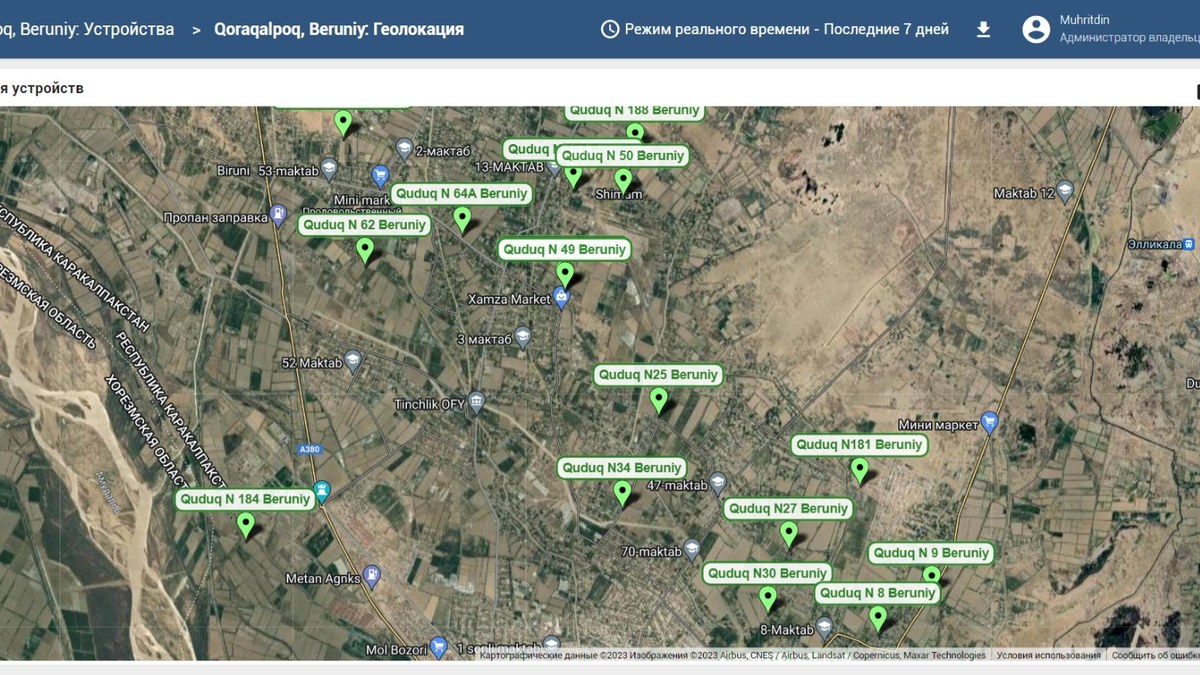
- Fleet-scale device registry with live KPIs
- Satellite geolocation of field installation points
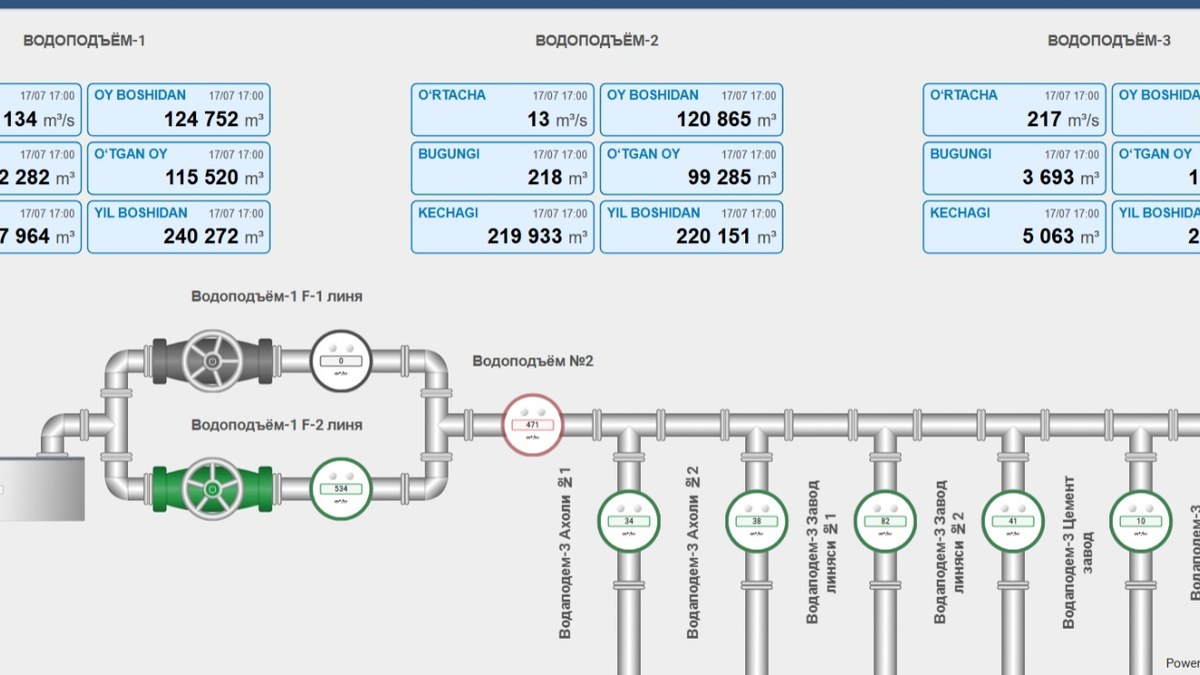
- Integrated gas GRP, smart meters, and pump-station HMIs
Manufacturing
IoT, sensing, offshore footprints—tie leaks and losses to ROI language.
Shop‑floor data splinters quickly; exporting one dashboard seldom lands when subcontractors differ. Combining smart metering and anomaly patterns with disciplined definitions from “what is abnormal?” to who acts keeps programs honest.
- Recovery time & repeat incidents—not lipstick OEE slides alone
- Threshold design and escalation before sensor sprawl
- Bridging HQ, plants, instrumentation partners, OEMs
Cloud & AI
Multi-tenant platforms and practical AI—only where signals exist.
Device authentication, time-series stores, APIs, per-client dashboards—tenants separated in the cloud, regional operators each get screens that match their workflow. AI targets leak candidates, abnormal usage, and equipment fault patterns—with explainable thresholds and escalation paths wired into the UI.
- MQTT broker, time-series DB, multi-tenant operator UI
- Anomaly detection with human handoff built in
- Phased rollout: measure → visualize → report
Colocation & compute
Tokyo data-center racks—design, procurement, and operations for private compute.
GPU workstations, CI workers, and agent hosts go in a rack whose power and connectivity are agreed with the facility. Security design, multi-factor authentication, backup and a restore drill, then a year of 24-hour monitoring, weekly on-site checks, patching, and a monthly report. Design and performance checks are scoped before anything is purchased.
- Rack, power, and connectivity, plus on-site install and acceptance tests
- Procurement, initial network, and remote KVM
- Monitoring, patching, first-line triage, security reviews
How we behave
Values that keep technology grounded in outcomes and people.
Human‑centered automation
Automation should relieve people of tedium—not strip away judgment, discretion, or care where they matter.
Respect for know‑how
We defer to seasoned staff and tacit expertise; engineering serves the business—not the other way around.
Practical AI
Clear scope and observable trade-offs—we avoid roadmaps disconnected from operator workloads.
Long‑term ownership
Patches dissolve; ownership means maintaining systems until they reliably pay rent on attention and capital.
Respect for operators
Seasoned plant and field staff carry scarce know-how—engineering should amplify them, not override them.
Talk to us about utility metering, manufacturing IoT, cloud platforms, and Tokyo colocation.
Water and gas utilities, manufacturers, instrumentation vendors, and teams that want private compute in a rack—we would like to hear from you.